
Tax Benefits
Oil and gas investing offers a set of tax advantages that are largely unique to the energy industry, combining both immediate and long-term benefits. Through provisions such as intangible drilling cost deductions, accelerated recovery of equipment costs, and ongoing depletion allowances, investors may benefit from substantial upfront tax offsets as well as recurring deductions tied to production. When these elements work together, they create a powerful blend of near-term tax efficiency and long-term cash-flow potential. This combination can position oil and gas as one of the top-performing and most tax-advantaged assets within a diversified investment portfolio.
Intangible Drilling Costs (IDCs)

Intangible Drilling Costs (IDCs) are a key tax benefit of oil and gas exploration, allowing investors to deduct many of the non-salvageable costs associated with drilling a well, such as labor, site preparation, and drilling fluids. Under IRS Section 263(c), these intangible costs may be deducted in the year they are incurred rather than capitalized over time. In many projects, IDCs can represent around 85% of total drilling costs, creating a substantial upfront tax deduction in year 1. This structure can significantly reduce current taxable income while allowing investors to participate in long-term energy production and cash flow.
Depletion Allowance

Depletion Allowance allows oil and gas owners to deduct a portion of production income to account for the reduction of the underground resource as it is produced. Many investors qualify for percentage depletion under IRS Section 613, which allows a deduction based on a fixed percentage of gross income from the well, regardless of the original investment basis (subject to limitations). This deduction can continue year after year, providing an ongoing tax benefit tied directly to production and cash flow.
Tangible Drilling Costs (TDC)
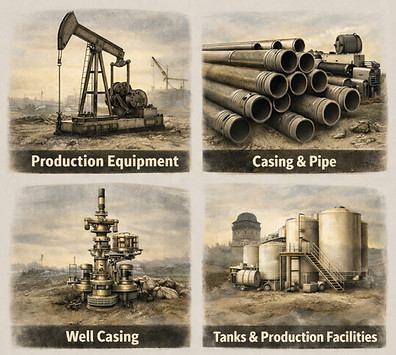
Tangible Drilling Costs (TDCs) include the physical equipment used in oil and gas production, such as casing, tubing, wellheads, pumps, and surface facilities. These costs are associated with assets that have ongoing operational value and remain in service throughout the life of the well. Under IRS Section 263(a), tangible drilling costs are treated as capital expenditures for physical property and are handled separately from intangible drilling costs. These cost are typically depreciated over a period of time.
One Big Beautiful Bill Act (OBBBA)

The One Big Beautiful Bill Act (Tax Cuts and Jobs Act) significantly enhanced year-one tax benefits for oil and gas investors by accelerating the deduction of both intangible and tangible costs. Under IRS Section 263(c), Intangible Drilling Costs (IDCs) may be expensed in the year incurred, often representing a substantial portion of the initial investment. For Tangible Drilling Costs (TDCs), IRS Section 168(k) allows qualifying equipment to be written off through 100% bonus depreciation when placed in service, overriding the standard capitalization rules of Section 263(a). Together, these provisions can allow investors to deduct nearly 100% of their investment in the first year, significantly reducing current taxable income while maintaining long-term ownership and cashflow in oil and gas assets.